

Mastering Paper Choices:
Elevate Your Crafting with the Right Print Materials
A Guide to Selecting the Perfect Paper for Stunning Craft Projects
Disclaimer: Please note that some of the links in this post may be affiliate links or ads. There is no additional cost to you, but The Scrap Room will earn a small commission should you choose to purchase through those links. Click here for my full disclaimer. Thank you for your support.


Cardstock
Cardstock is a thicker, sturdier paper that is perfect for projects that require durability, like greeting cards, scrapbooking, and paper crafts that need to hold their shape. It works well for printing intricate designs, especially when paired with high-quality printer settings, as it can handle more ink saturation without warping. Cardstock is also available in a wide range of textures, weights, and finishes, allowing you to customize your projects for a polished, professional look. I use this Neenah 65# paper for most everyday craft projects, including printing greeting cards, scrapbook ephemera, junk journal supplies and more. They also sell it in a 110# too, which is nice to have on hand for special projects that need a little more durability.
Printer Paper
Standard printer paper is lighter and thinner than cardstock, making it ideal for everyday printing or projects that don’t need the extra weight. This type of paper works well for printing lighter junk journal embellishments, coloring pages, planner pages, etc. For simple projects, standard settings on your printer will give you good results without consuming too much ink. However, if you’re aiming for a more vibrant and professional look, or working on something you want to cherish for years to come, upgrading to a thicker paper or adjusting your print settings can elevate the final product.
Adhesive Paper
Adhesive paper, or sticker paper, is great for projects like labels, stickers, or decals. It’s available in different finishes such as matte or glossy, depending on the look you want. Printing on adhesive paper gives you the flexibility to create custom stickers that can be used in scrapbooking, journaling, or even as decorative labels for handmade items. When printing on adhesive paper, consider using a higher quality setting to ensure the colors are bold and clear, especially if the design has intricate details. This is the sticker paper that I usually use for making stickers, but if I'm making something special that needs a little gloss to it, I've been really happy with this one by Koala.
How Print Settings and Paper Quality Affect Your Results
The paper you choose isn't the only factor that affects the outcome of your print. The quality of the paper combined with your printer settings can dramatically alter your final results. Higher-quality papers are designed to absorb ink differently, which can lead to more vibrant colors and sharper details. However, for thicker papers like cardstock, you may need to adjust your printer’s settings to ensure the best print quality.
If you’re using standard settings on premium paper, you may not get the full benefit of the material. That’s why it’s important to experiment with different print settings—like increasing the quality or choosing a heavier paper option—to see how they impact the outcome. For more tips on optimizing your print settings, be sure to check out our post on choosing the right printer settings for your craft projects!
Other Types of Craft Paper to Consider
Vellum Paper: This translucent, lightweight paper adds a delicate and elegant touch to invitations, overlays, and cards. Use vellum for layering in scrapbooks or adding soft, ethereal details to projects. Be mindful that it requires careful handling during printing to avoid smudging.
Tissue Paper: Often used for decoupage or gift wrapping, tissue paper can be printed on if your printer supports lightweight materials. It’s excellent for adding texture to paper crafts.
Watercolor Paper: This thick, textured paper is designed to handle wet media but also works well for crafting projects where you want a hand-painted look. Use it for printable watercolor designs to get an authentic feel.
Photo Paper: Ideal for high-quality photo prints or designs that require a glossy, professional finish. It’s a great choice for crafting with images or digital art where you want the colors to pop.

When it comes to printing designs for your craft projects, selecting the right type of paper can make all the difference in how your final creation turns out. From cardstock to adhesive paper, each paper type has its unique characteristics, and choosing the right one will ensure your prints look their best and suit the needs of your project.
The Right Paper Makes All the Difference — Try These 5 Gorgeous Printable Pages for FREE!
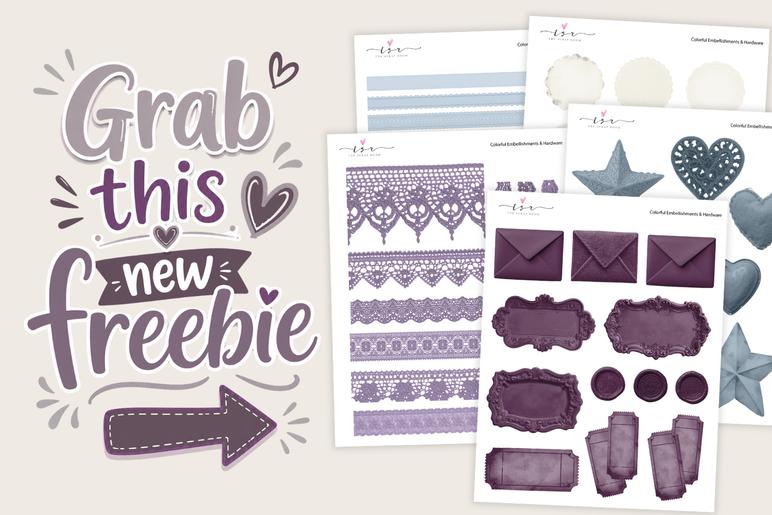
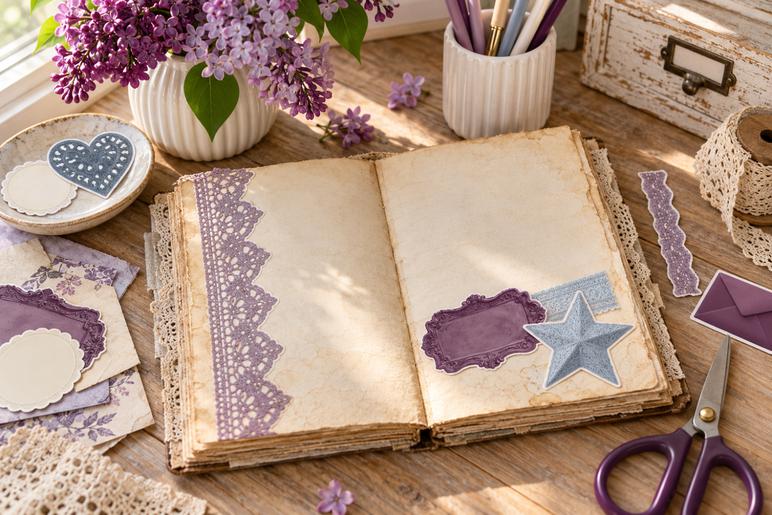
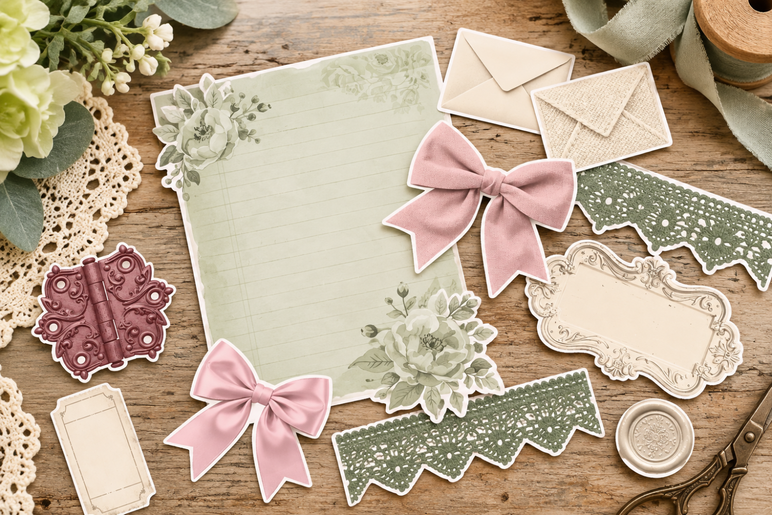
Choosing the right paper can completely transform your paper crafts, but sometimes you need to experiment to discover what works best! That's why I'm giving you 5 beautiful, coordinating Misty Purple Garden printable pages to play with. Print them on different types of paper, experiment with textures and finishes, and see how your paper choices change the look and feel of your projects. Perfect for junk journals, scrapbooks, handmade cards, and more!
Grab your 5 FREE printable pages below, and I'll send them straight to your inbox so you can start experimenting!
The Best Paper for Your Craft Projects? The One That Brings Your Ideas to Life!
Choosing the right paper for your paper crafts doesn't have to be complicated!
Sometimes, the smallest change — like switching from regular printer paper to a smooth cardstock or trying a slightly different paper weight — can make a surprisingly big difference in how your finished projects look and feel.
And remember, there's no single perfect paper for every project!
Junk journals: Experiment with lightweight cardstocks and papers for layering, folding, and creating that wonderful vintage, well-loved look.
Scrapbooking: Try sturdier papers and cardstock for embellishments, photo mats, and decorative elements that need a little more structure.
Handmade cards: Cardstock is wonderful for card bases, while thinner printable papers work beautifully for decorative layers.
Printable ephemera and embellishments: Play with different paper finishes and weights to see how they affect the colors, textures, and details of your designs.
Don't Be Afraid to Experiment!
One of my favorite things about paper crafting is that there are so many ways to create something beautiful. A printable label that looks delicate and vintage on regular paper might look completely different printed on textured cardstock. Neither is necessarily better — it just depends on the look you're going for!
So before you start your next junk journal, scrapbook layout, or handmade card, grab a few different types of paper and try printing the same design on each. You might be surprised by which one becomes your new favorite.
And most importantly, have fun with it! The best paper craft projects aren't always the ones made with the most expensive supplies. They're the ones where you experiment, get creative, and discover what works for YOU.
Happy crafting!
